Reheating vacuum-sealed food has become a popular method for bringing prepared dishes back to life. This technique helps preserve the aromas and texture of the food while ensuring an even distribution of heat. It is ideal for busy individuals looking to enjoy quality meals without sacrificing too much time in the kitchen. To achieve the best results, mastering a few tips and following sound advice is essential. Optimizing the water temperature, adhering to heating times, and adjusting parameters based on the density of the food are key elements for effectively reheating your vacuum-sealed dishes.
Best Practices for Reheating Your Vacuum-Sealed Dishes
Mastering temperatures is the first commandment for those who wish to discover sous-vide cooking and its benefits. Consistent heat allows for reheating the dish without altering its texture or flavor. Sous-vide cooking temperatures, ranging from 65° to 100 °C, should be adjusted according to the food to avoid overcooking or underheating. Precision is key: use an immersion circulator or a combi oven for optimal control.
Preparation of the food, careful packaging, proper cooking, followed by rapid cooling, are essential steps for successful vacuum preservation. These methodologies, supported by entities such as Fomma, ensure extended shelf life while inhibiting bacterial growth. Consider these processes an investment in maintaining the freshness of your products.
Optimizing reheating involves adhering to the use-by date (DLC) and HACCP standards to guarantee food safety. Prepared dishes and raw foods have different shelf lives; take this into account when reheating. A dish properly preserved according to the rules will reheat better and maintain its original organoleptic qualities.
For those embracing the trend of batch cooking, sous-vide cooking is a valuable ally. It allows for planning and preparing meals in advance while controlling taste and texture. Vacuum preservation, whether using jars or BPA-free bags, extends the freshness of food and reduces waste. Proper equipment, such as vacuum machines and sealers, are valuable tools for enthusiasts of this practice.
Tips for Preserving Quality and Flavor When Reheating Sous-Vide
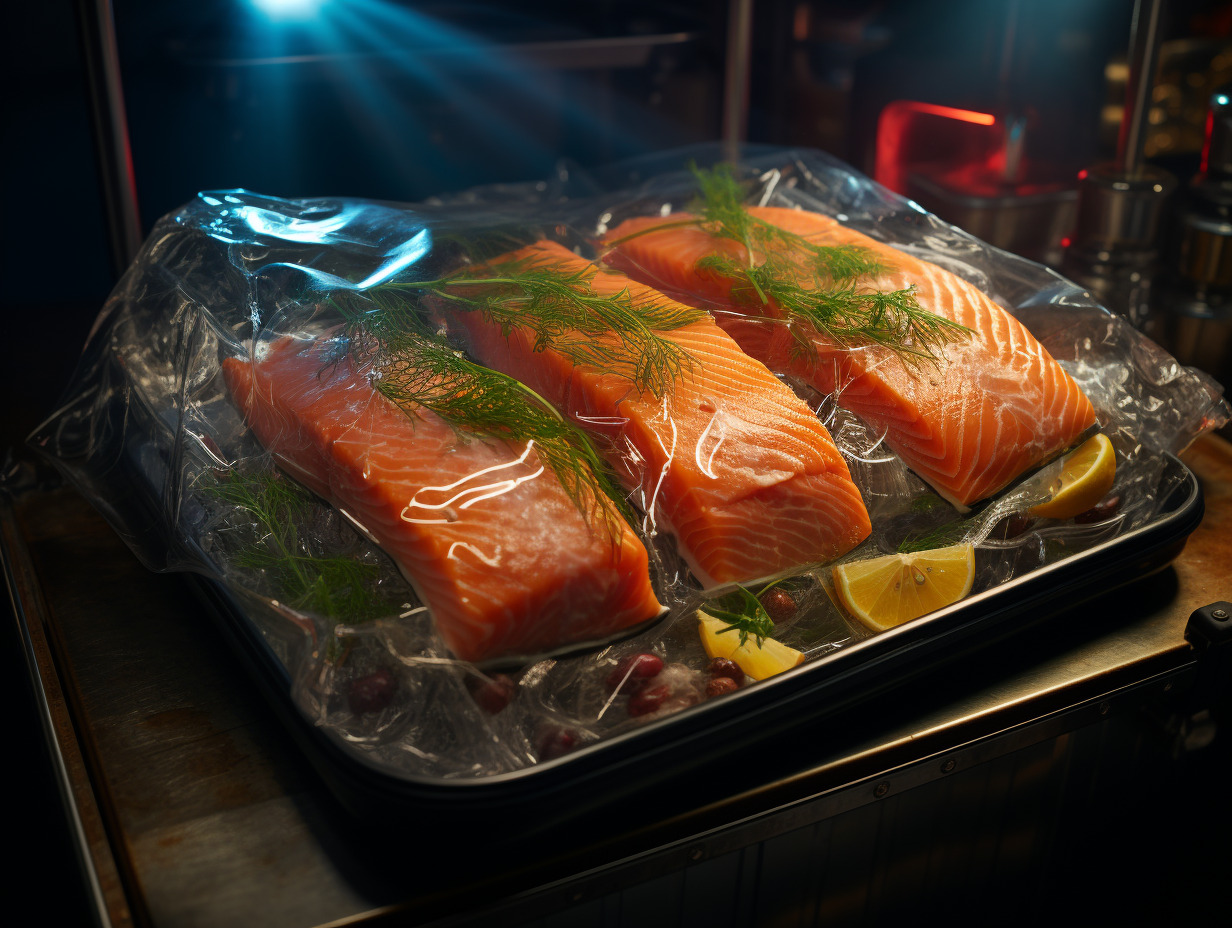
Respect the temperature parameters for each type of product. Meats, vegetables, or prepared dishes require careful attention to reheating temperatures to preserve their organoleptic qualities. A water bath set to the appropriate temperature, generally between 60 °C and 85 °C, ensures even reheating without the risk of overcooking. Mastering this step is crucial for restoring the flavors and textures as initially desired.
The vacuum sealing must be done rigorously. Using suitable, BPA-free bags and reliable vacuum machines are guarantees of preservation. The packaging must be airtight to prevent cross-contamination and to maintain an effective barrier against oxidation. Georges Pralus, a pioneer of the technique, emphasizes the quality of packaging to optimize the shelf life and reheating quality of foods.
Post-cooking cooling is crucial. A quick transition of the cooked dish from cooking temperature to refrigerator or freezer temperature inhibits bacterial growth and preserves taste qualities. This transition must comply with HACCP standards for impeccable food safety. Prepared dishes and raw foods, having different shelf lives, should be treated accordingly.
The batch cooking trend benefits from vacuum preservation to plan and prepare meals in advance. The advantages include not only meticulous control over taste and texture but also a significant reduction in waste. The shelf life of products can be multiplied by three to five, facilitating a domestic meal management that is both economical and ecological.