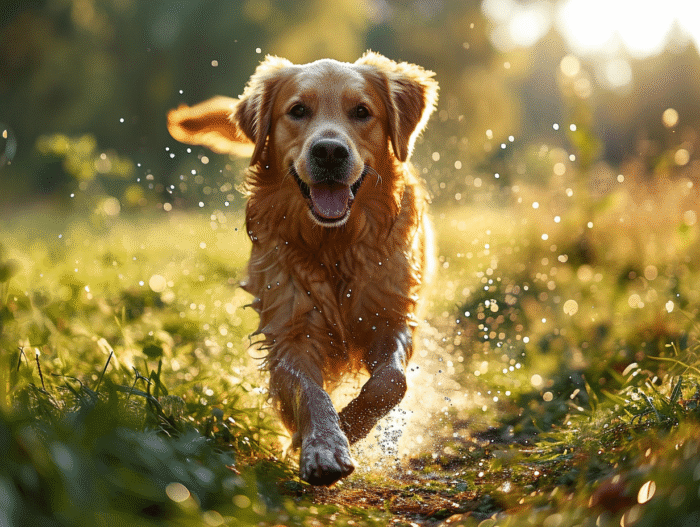
In the fascinating world of photography, capturing the essence of wild or domestic animals presents a captivating challenge. These unpredictable living beings require the photographer to possess a combination of patience, quick reflexes, and a deep understanding of their behavior. Light, angle, and the precise moment of triggering can transform a simple image into an evocative work of art. Whether one is a passionate amateur or a seasoned professional, mastering the art of photographing animals opens a window into the intimacy of wildlife and reveals often elusive moments of life.
Essential Techniques for Wildlife Photography
Knowing your equipment is the cornerstone for any wildlife photographer. The choice of camera gear is not made lightly: super-telephoto lenses are often essential for capturing distant subjects while ensuring the safety and comfort of the animal. At the same time, using a high shutter speed allows for freezing motion and avoiding blur, thus ensuring the sharpness of candid shots. Dogs don’t make cats: the same goes for photographers, who must adapt to their tools to get the best out of them. Choosing a semi-auto mode like aperture priority allows for control over depth of field while quickly responding to changes in lighting.
Light is an essential component in creating a photograph. Waiting for the last or first light of day, such as that of the sunset, can reveal new textures and atmospheres. Shooting in RAW is a common practice among professionals; it offers greater flexibility during post-processing, allowing adjustments to exposure settings or correcting white balance. The composition of the image also requires particular attention, especially the choice of background, which should complement the subject without distracting from it, thereby enhancing the effect of immersion.
The wildlife photographer must master the art of patience and immersion. Being present in the animal’s natural environment, often for long hours, not only allows for harmonizing with the rhythm of wildlife but also for capturing moments of rare authenticity. Whether for an atmospheric photo or a striking portrait, the focal point often needs to be on the eyes of the animal, true windows to the soul, to capture the intensity of a gaze and establish a connection with the viewer.
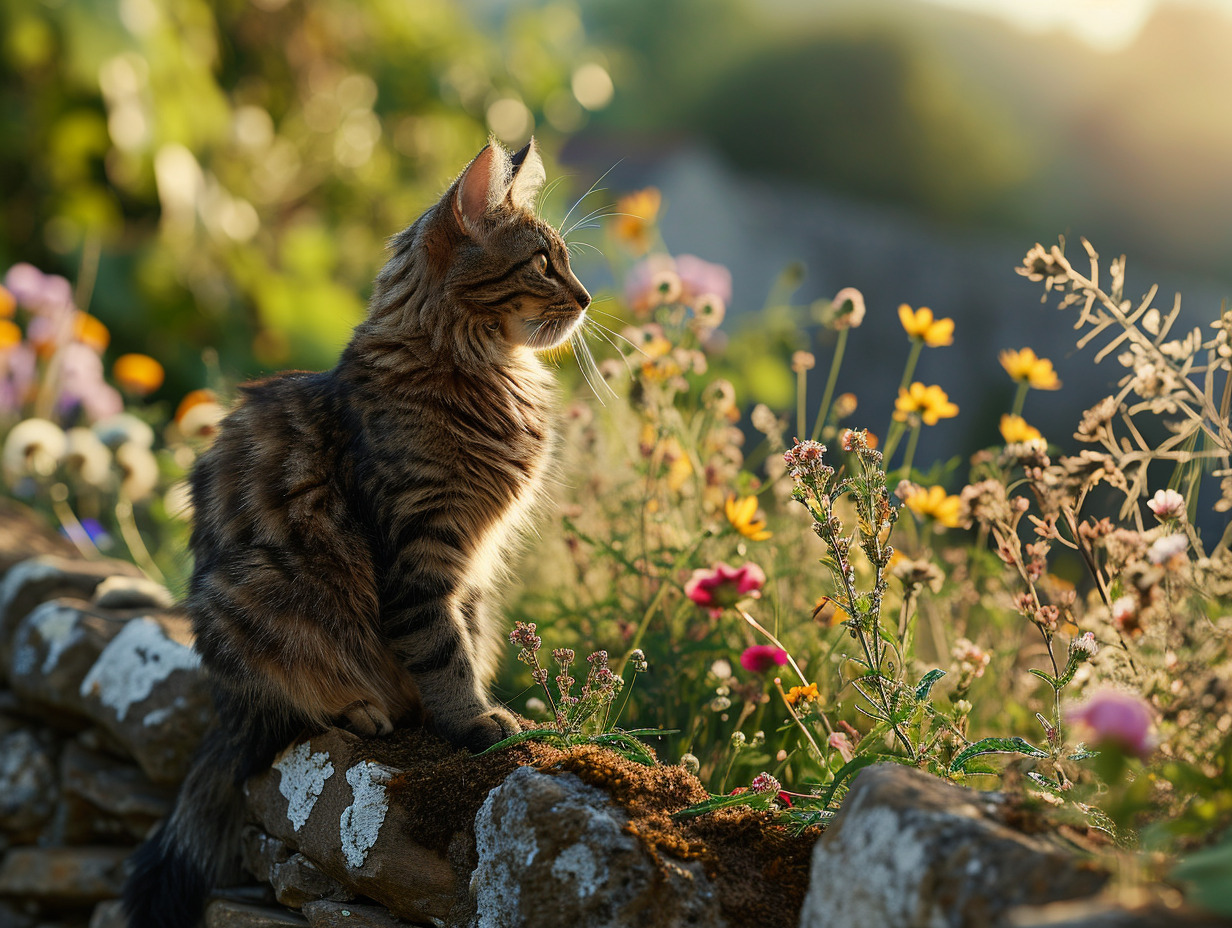
Understanding and Respecting Animal Behavior for Better Shots
To capture the essence of wildlife in its element, the wildlife photographer must not only seize an image but also interpret the behavior of their subjects. Knowing the animals one wishes to photograph is a crucial step; it involves studying their habits, recognizing predictive signs of certain behaviors, and anticipating their movements. This is foundational work that requires patience and a certain natural proximity, while maintaining a respectful distance.
The art of wildlife photography is also nourished by a personal style. Each photographer develops their signature through their images. Figures like Régis Moscardini, featured on the Auxois Nature blog, share their tips for refining this delicate art. He emphasizes the importance of a solid photo culture, which involves mastering the basic functions of the camera and understanding the steps from shooting to post-processing.
Beyond the technical aspects, the photographer must avoid clichés, such as the often less impactful bird’s-eye view, and favor perspectives that highlight the animal in its habitat. Lessons drawn from David Yarrow’s masterclass to quotes from Robert Hainard always emphasize the necessity of perseverance to obtain images that convey true emotion, leaving a lasting impression with their authenticity and narrative strength.
Wildlife photography is thus a perpetual quest. It requires a deep knowledge of subjects, impeccable technique, a creative approach, and unwavering respect for the animal world. Photographers aspire for each shot to be the result of an encounter, a patient observation, a testament to wildlife captured with sensitivity and awareness.